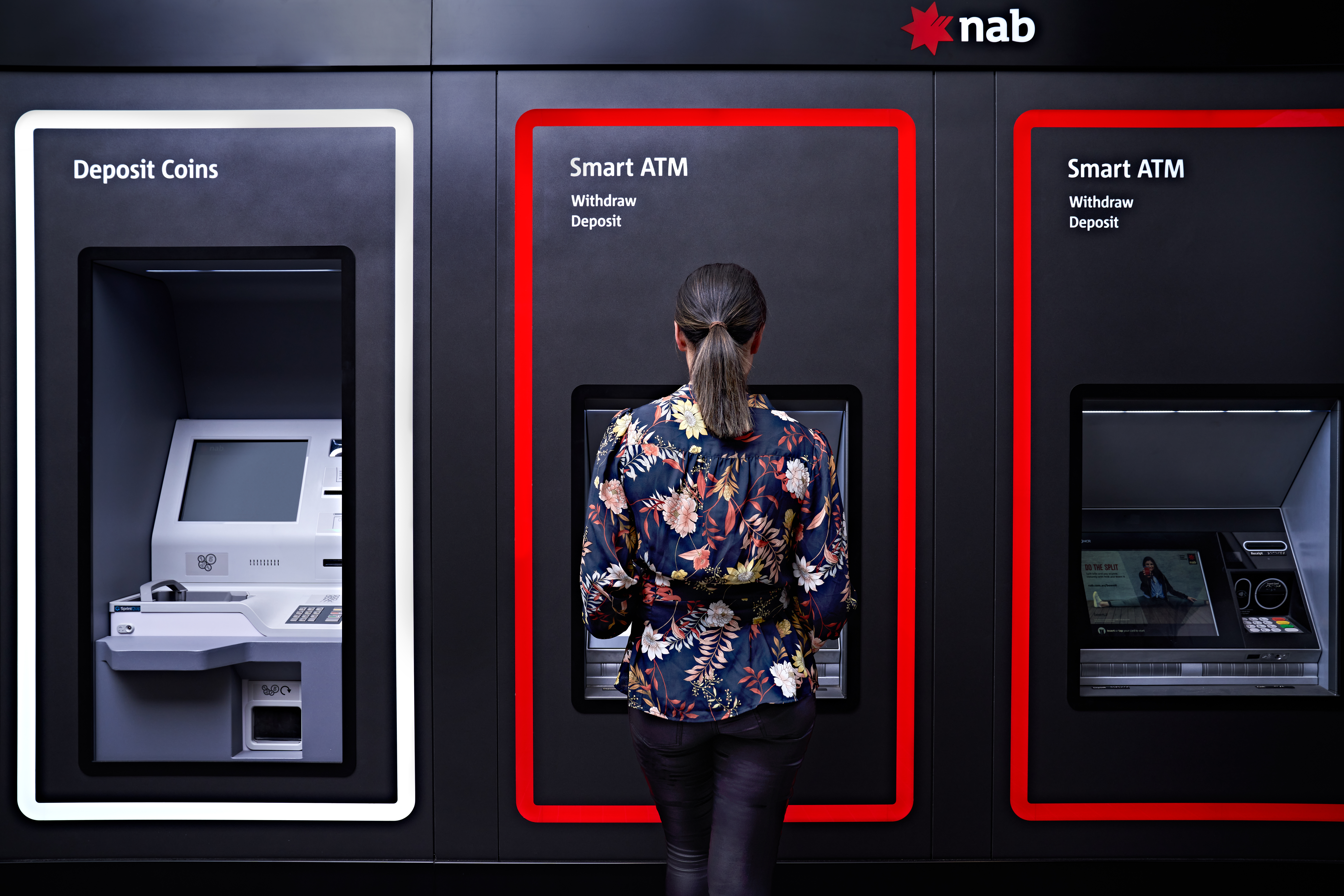
A major banking upgrade is coming to Roma, with NAB investing $2.4 million to transform its local branch.
23 June 2026 | 2 min read


13 March 2026
Flight cancellations and sudden destination changes are becoming a reality for many travellers and when plans change unexpectedly, access to money can quickly become a problem.
NAB banker Larna Manson says travellers can protect themselves with a simple step that takes under a minute.
“Many people don’t realise that telling your bank where you’re travelling, and updating it if plans change, can make a real difference to whether your card keeps working overseas,” Ms Manson said.
“If your bank doesn’t know you’ve landed in a different country, everyday transactions can look unusual, and cards may be temporarily blocked as a safety measure.”
 NAB Banker Larna Manson
For NAB customers, travel destinations can be added or updated through the NAB app or online banking, even while already overseas.
Ms Manson said by doing this it could help travellers avoid unnecessary stress when plans don’t go to schedule.
“It’s a simple tool, but it can help your bank recognise legitimate spending and reduce disruptions at a time when you’re already dealing with delays or changes,” she said.
To help travellers stay in control of their money, Ms Manson shared five practical tips:
1. Update your travel destinations if plans change
Whether it’s an unplanned stopover or an entirely new destination, keeping your travel details up to date helps your bank support you and keep your cards active.
“If your itinerary changes, it’s worth taking a minute to update your travel details in your banking app, it could save you a lot of hassle later,” Ms Manson said.
2. Use banking apps to manage cards on the go
“If something goes wrong overseas, you want to be able to act quickly, whether that’s allowing overseas card use, blocking a lost card or checking your spending,” Ms Manson said.
“Getting familiar with your options before you leave can make a real difference if plans change.”
3. Have a back‑up way to access money
Even with the right settings in place, Ms Manson says travellers shouldn’t rely on just one payment method.
“I recommend having more than one way to access money, so you’re not stuck if a card is misplaced or stops working,” she said.
4. Know your limits and fees before you travel
Unexpected expenses can arise quickly when plans change.
“Checking transfer limits and international fees before you go means fewer surprises if you need to move money or access extra funds while overseas,” Ms Manson said.
5. Act quickly if things go wrong
“If a card is lost or stolen, acting quickly can help minimise disruption,” Ms Manson said.
“Blocking the card immediately in your app is key, and having your bank’s support details saved can help take some of the stress out of the situation.”
Ms Manson said small steps taken before, and during travel can save a lot of stress if things do change.
“Travel doesn’t always go to plan, but having the right tools in place can help make sure access to your money isn’t another thing you need to worry about,” she said.
For more information on managing money while travelling, visit nab.com.au/travel.