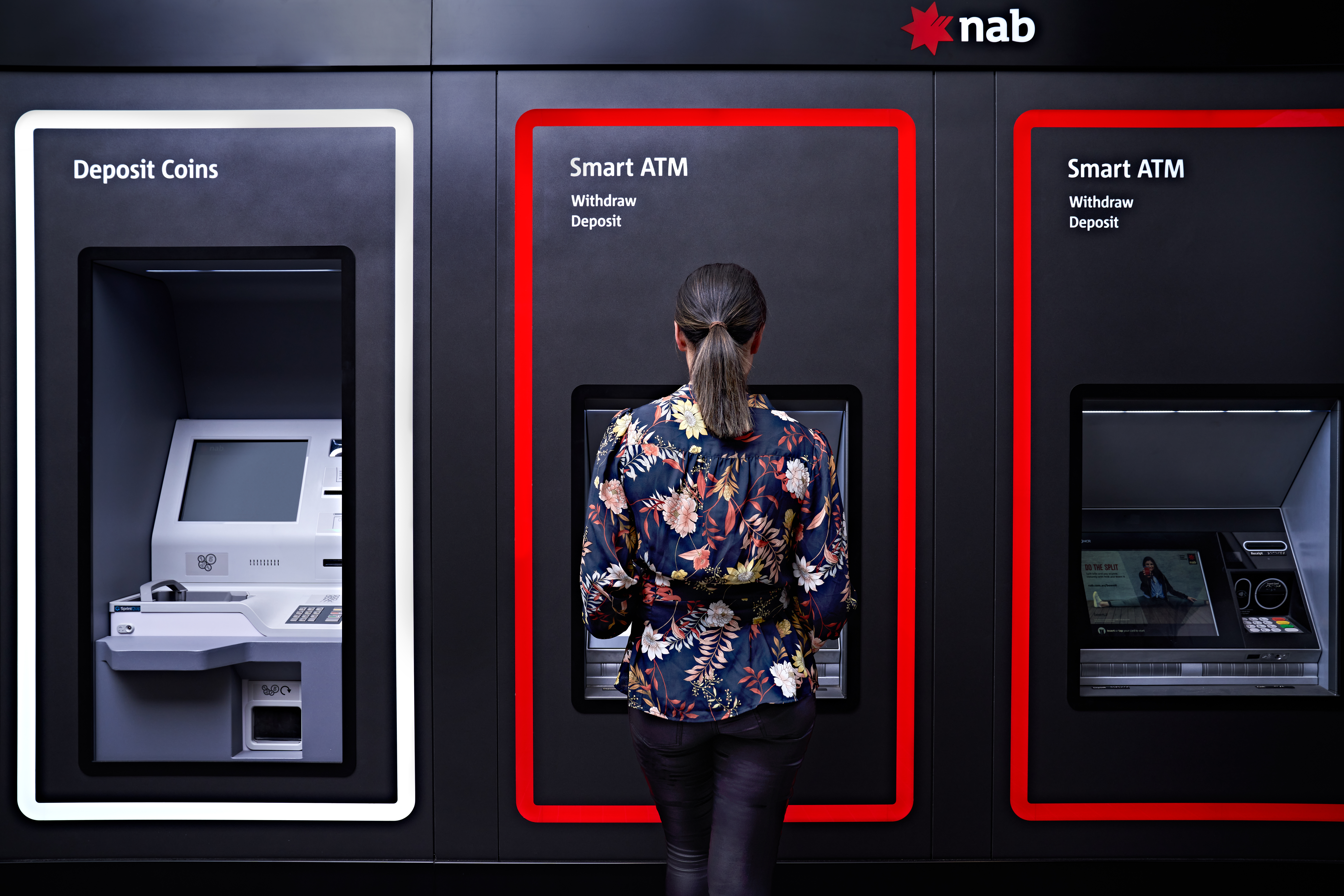
A major banking upgrade is coming to Roma, with NAB investing $2.4 million to transform its local branch.
23 June 2026 | 2 min read


14 May 2026
After rising 2.1% in March, consumer spending declined in April by 1.1%. Spending remains higher over the past year, but reveals shifts in spending patterns as households respond to changing costs and conditions.
NAB Chief Economist Dr Sally Auld said the latest NAB Consumer Spend Trend showed a moderation in spending following earlier increases linked to higher fuel prices and precautionary behaviour.
“Consumer spending declined 1.1% in April, reflecting lower fuel prices, less stockpiling of food, and continued travel-related refunds and cutbacks,” Dr Auld said.
“Spending (excl. fuel) declined 0.8%, mainly driven by weaker discretionary spending, led by a 9.3% fall in travel spending in the month. The large decline in travel spending is in part driven by ongoing refunds for cancelled flights. The introduction of free public transport in Victoria has also contributed to weakness in this category.
“Excluding fuel, non-discretionary spending was broadly flat. Food spending decreased 1% reflecting a normalisation in the level of spending after precautionary spending last month. But this was offset by higher insurance and utilities and telecoms spending.”
The report shows consumers continue to prioritise essential spending, with non-discretionary categories supporting growth over the past year. However, consumers have still managed to allocate some share of their budget to discretionary items, particularly the categories of household goods, cafes and restaurants and other discretionary services. These categories all showed a rise in spending in April.
Fuel prices and changes to government policy played a key role in monthly movements. Fuel spending fell 6.5% in April but remained 25.4% above February levels.”
“The decline in the month largely reflects the full effect of the halving of the fuel excise, which reduced fuel costs by 32 cents per litre,” Dr Auld said.
The shift in spending is also evident across categories and locations, with consumers adjusting budgets in response to higher essential costs.
“Relative to February 2026, consumers are spending more on non-discretionary categories. This shift has been driven by higher fuel spending,” Dr Auld said.
“Discretionary spending’s share of total spend fell 1.2% compared with February, with the fallback concentrated in spending on hotels, travel & transport. Other discretionary spending on goods and services is little changed as a share of consumers’ budgets relative to February. This reflects some underlying resilience in household spending as the Middle East conflict enters its third month.”
Click the link below to read the full report.