The latest NAB research shows 40% of SMEs are actively using AI, with a further 13% planning to adopt. Among those using AI, 22% report significant transformational improvements.
01 July 2026 | 2 min read

20 April 2026
NAB Economics’ research on small and medium enterprises’ use of AI shows 42% are already using AI, and a further 14% planning to. Two businesses, one interior design firm and another manufacturing business, explain how they utilise AI in their operations and the potential benefits for others.
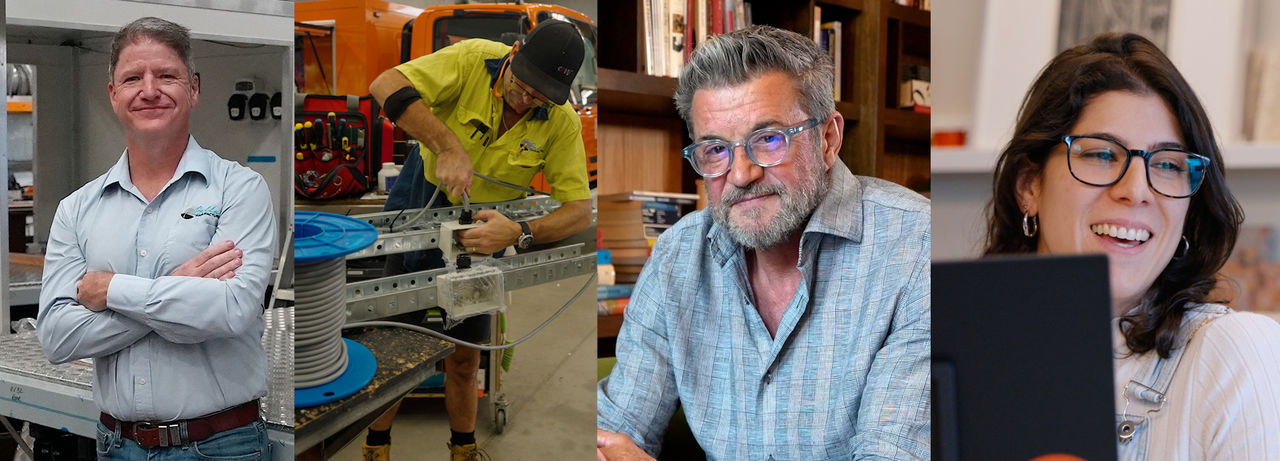
Design and Diplomacy is a Melbourne based interior design and property services business specialising in bespoke residential interiors, property styling and turnkey fitouts. Each project is different, and they all depend on close collaboration with clients.
For Director Tim Gauci and Designer Nicole Langelier, the customer focus shapes how they use AI in their business. Instead of replacing human interaction, AI is a means of support - improving efficiency and decision-making while preserving trust-based client relationships.
“I use it to summarise reports, contracts, consultant documentation and client emails, extract risks, gaps and actions from technical material and generate structured draft proposals,” Mr Gauci explained, stressing the importance of review.
“AI is a productivity and thinking accelerator - not a substitute for professional judgement."
NAB’s research found customer communication - marketing and sales - the most common AI application among small business people, identified by 51% of users.
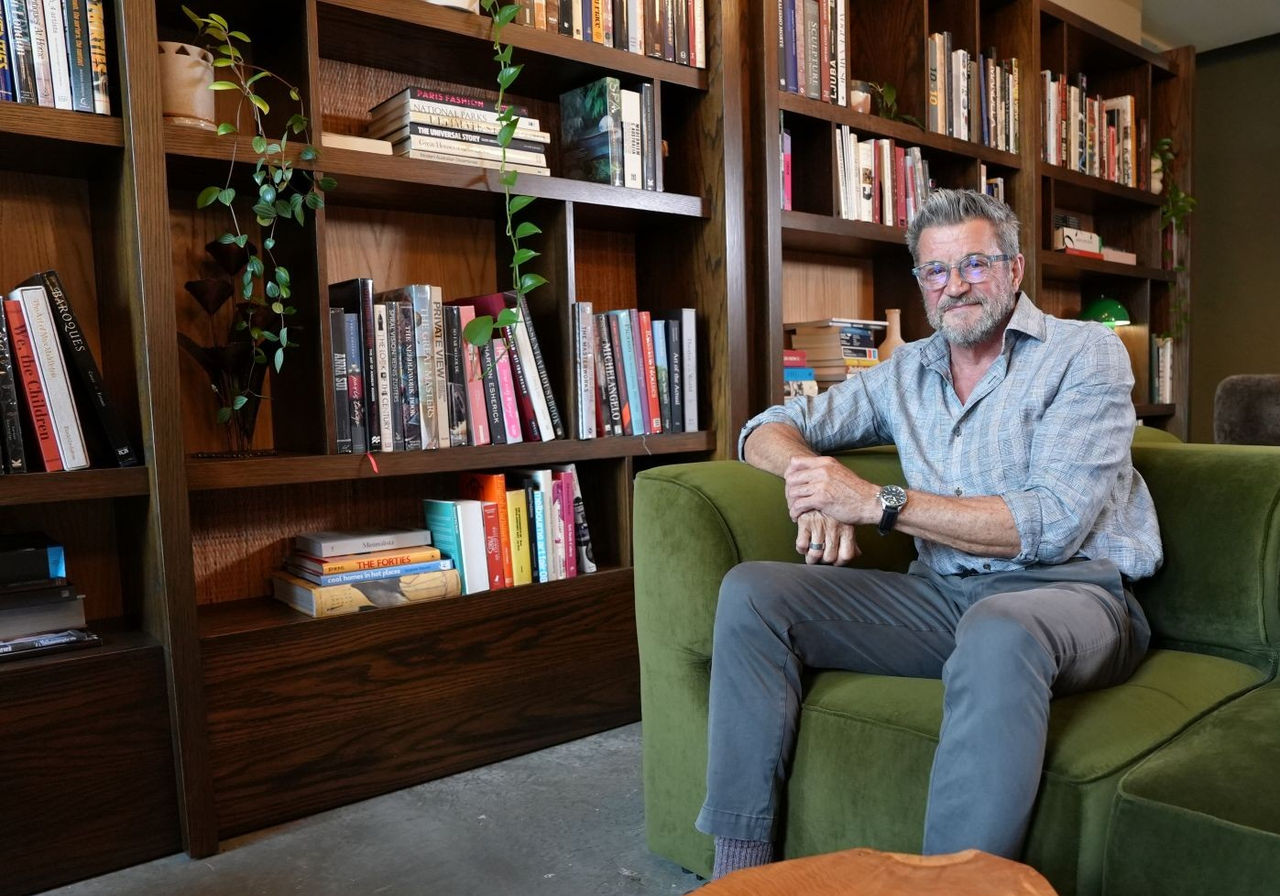 Tim Gauci - Director, Design + Diplomacy
A key benefit Mr Gauci points to comes from enabling his design team, two of whom speak English as a second language, to focus on their creative work instead of labouring over site analysis documents they produce.
“That's done in 10-15 minutes, rather than agonising over English as a second language to get the grammar right. So the design team can be super functional, and they don’t have to worry about ‘how do I actually make it presentable?’", Mr Gauci said.
“It’s a nice inclusive story.
“And what we do with that time is more of what we do well.”
NAB Economics Head of Behavioural and Industry Economics Dean Pearson said the findings point to a two-speed adoption pattern. Industries with more digital workflows like the property services sector Design and Diplomacy operates in lead the way for AI uptake with 69% adoption. Other less-digitised sectors like Retail (22%) and Transport and Storage (21%) highlight the challenge to overcome capability, capacity, and confidence constraints.
“AI is quickly becoming part of the everyday toolkit for Australian businesses, but we’re still in the early chapters of what it can deliver", Mr Pearson said.
“The real productivity uplift will come when AI capability diffuses across the whole economy. Ensuring that smaller and resource constrained businesses can access the tools, skills and support they need will be essential to keeping Australia competitive and lifting long-term growth. Tailored adoption support will be essential to realising this.”
Bella Manufacturing Director Andrew Blair said attending a free introductory AI workshop, organised by the Sunshine Coast Manufacturing Excellence Forum was instrumental in overcoming his initial scepticism about AI’s usefulness for small businesspeople like himself.
“All I’d heard were horror stories,” Mr Blair said.
“But now I personally find it incredibly helpful in my day-to-day work.”
Bella Manufacturing is Australian-owned custom manufacturer of mobile business fit-outs like commercial food trucks, mobile kitchens for emergency services and custom vehicle builds for community organisations offering mobile health, laundry and hairdressing services to remote and underserved communities.
NAB Economics' research finds that Mr Blair is an early adopter in the manufacturing sector, where just 35% of small business people are currently using AI. He says building his AI capability has lifted a large administrative burden.
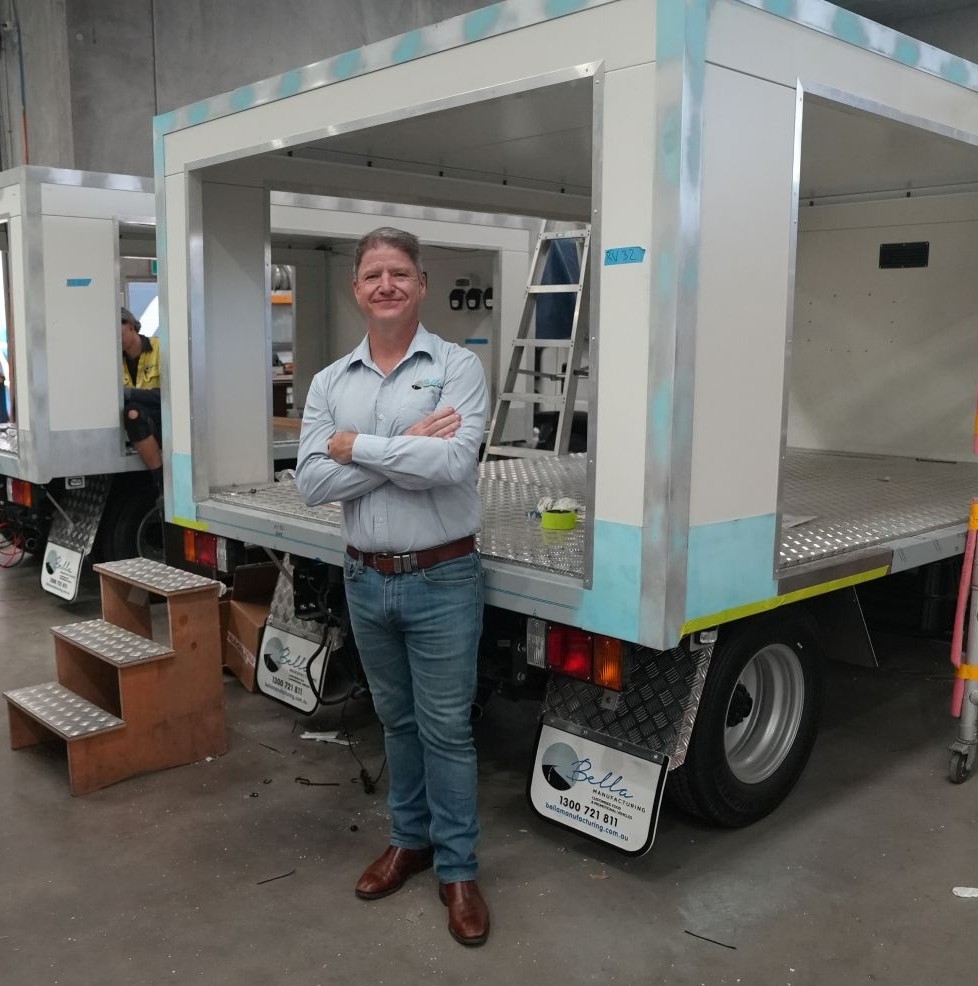 Andrew Blair - Director, Bella Manufacturing on the factory floor
“It's reviewing complex documents and just making those boring, mundane tasks very small, very easy to manage. Which means I can then go on to do other things that I genuinely enjoy - being around the factory, getting involved, speaking to clients and making some really cool projects,” Mr Blair said.
“You get home for dinner, you get, you get to events, you get to things that on a weekend that I maybe would have missed." Mr Blair said.
"So it just means I the time I'm getting back on taking that time for me and seeing my friends, seeing my family".
Tim Gauci agrees.
“People ask us if we use AI to design. No. We're using it to do the mundane. So we have more time to design.”
Operations and logistics support (39%) is the second most popular AI use. Better decision-making is key benefit both operators cite.
Andrew Blair said giving an AI tool limited access to Bella’s business information helped him review and compare insurance quotes. The process saved him several thousand dollars, hours of work and identified a coverage gap he was able to address.
“It’ll do the analysis and then give me a breakdown of what's different, what's the same", Mr Blair said.
"And it'll also identify any risks or dangers for yourself or for the business, which is how it picked up on a potentially under-insured aspect in one part of the business".
Tim Gauci says AI offers capabilities typically beyond small businesses budgets.
“I don't need an economist and a treasurer and a business strategist at a million bucks a year to look at my business in the industry and how it might be impacted by the war in the Gulf,” Mr Gauci said, by way of example.
Both Andrew Blair and Tim Gauci stress the importance of human oversight, and have clear boundaries between tasks they do and don’t use AI for.
“Expertise is always going to be a human thing, especially in a business like mine. We rely on and use AI for our day-to-day tasks, for the annoying things. But at the end of the day, for what we're making, bespoke mobile businesses, you need a human in the loop. You need the human hands,” Mr Blair said, likening AI to any other tool used in manufacturing.
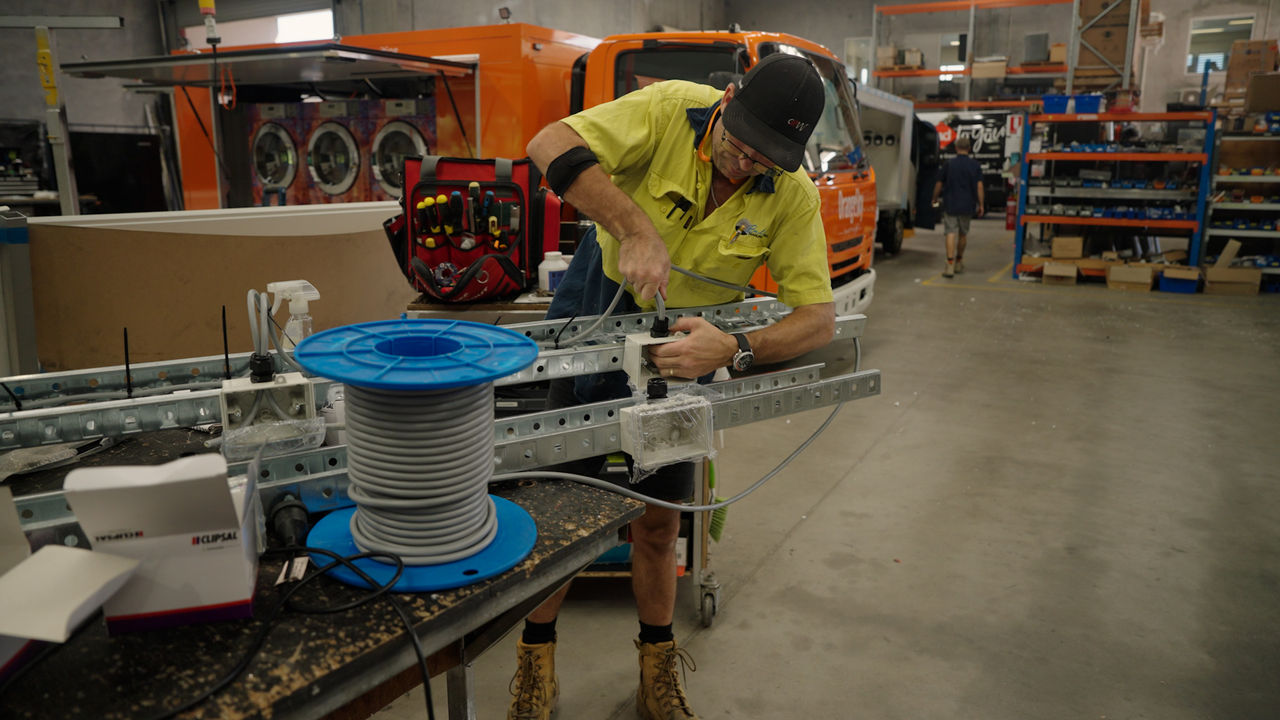 Custom fabrication remains hands on at Bella Manufacturing
“The tool works with you to do the job. You still know that human in the loop to read it, confirm it, understand it before you send it to another human to do the work. So for me personally, emails, anything, before it's going to leave this place. It always goes through me or another human. You don't just rely blindly on AI.”
According to Tim Gauci, AI meant his team could be more productive, but didn’t mean he would want to employ less people.
“We’re doing more work because we’re making the most of the tools available, AI and other readily available systems, to produce better quality work.” he said.
Andrew Blair recommends AI beginners start with a single simple task.
“Just do one very small task. Ask it to review something for you. Something that might take you five minutes to read and summarise, ask it to do it, and then you do it yourself and see which one gives you a better result and time,” he said.
Mr Gauci said as an older small businessperson, pushing through scepticism and initial doubt has been challenging but rewarding.
“It is really important to address the demographic and confidence gap among older business owners,” he said.
“My own results have only improved because I invested time in understanding what AI is and is not, how to structure prompts properly, and how to give the system deep context about my business, background and operating environment so that outputs are relevant and usable.
“Education is critical. For me, the most powerful opportunity coming out of NAB’s research is not simply adoption of tools, but education around appropriate use, risk-aware use that will make a difference for SMEs.”
Visit NAB's small business hub for more tools to support your small business.