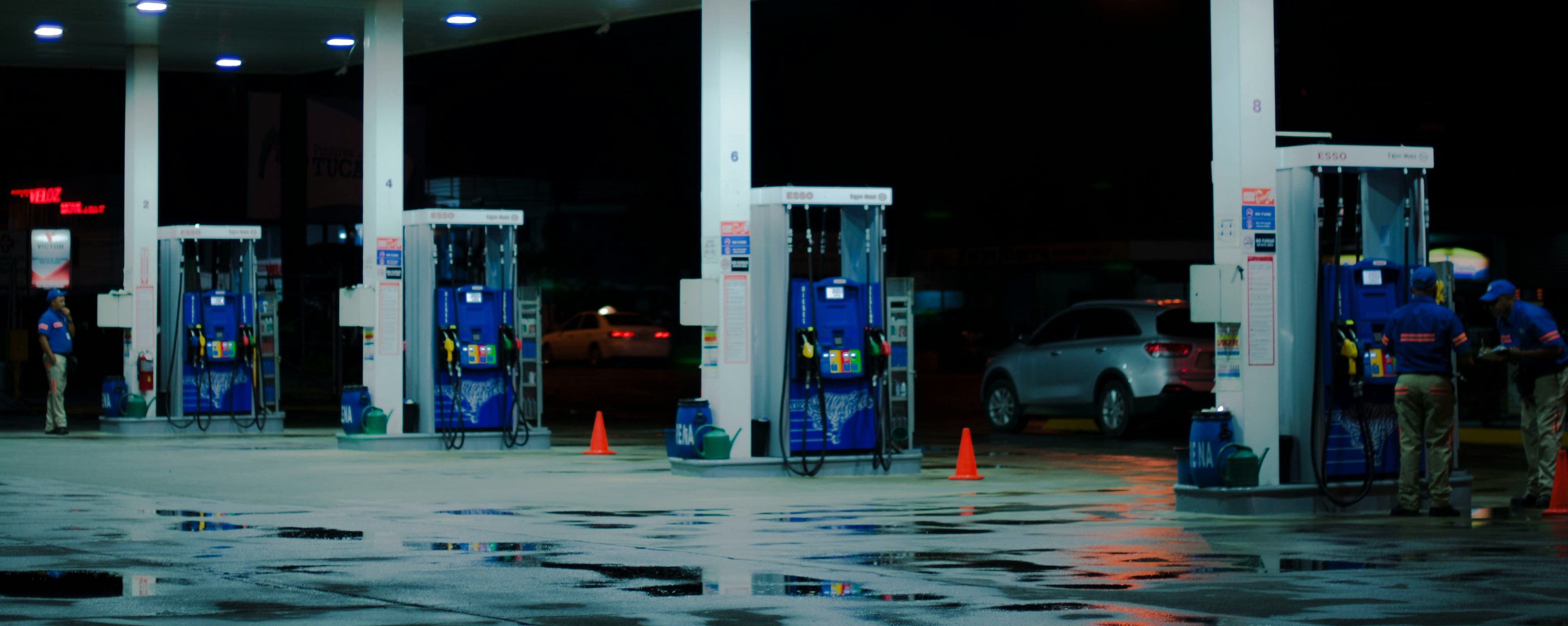
As fuel and energy costs remain elevated, NAB is working with businesses most exposed to fuel price volatility.
01 April 2026 | 2 min read

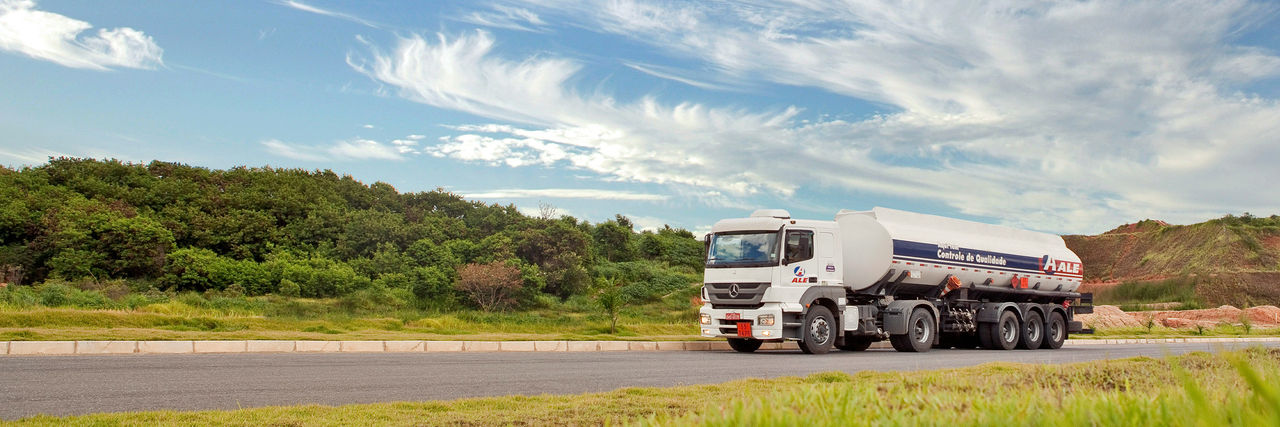
7 April 2026
Fuel price shocks and supply uncertainty are impacting business cash flow across key sectors in regional Australia.
Higher interest rates, fuel prices and supply chain disruptions are putting pressure on businesses and households, with NAB offering tailored support.
While growth is expected to slow, not tip into recession, the disruption exposes deeper risks in energy security and supply chains.
Fuel price rises and supply uncertainty are creating real cash flow pressure for Australian businesses, particularly across transport, freight, agriculture and regional communities, NAB Group CEO Andrew Irvine said in conversation with The Australian.
Reflecting on what he is hearing from customers, Mr Irvine said rising fuel costs are tightening liquidity and squeezing margins for many businesses.
“Fuel costs are creating real cash flow stress,” Mr Irvine said.
“The challenge is that many businesses are paid later, so there is a real liquidity issue as costs rise quickly.”
While higher prices are a concern, Mr Irvine said uncertainty is weighing on confidence.
“It’s not just the price of fuel that’s hurting. It’s also the uncertainty around supply,” he said.
“Consumers are nervous. Businesses are nervous. People are worried about how bad this is going to get and how long it’s going to last.”
Mr Irvine said NAB is already seeing early signs of businesses becoming more cautious by protecting cash, tightening spending and planning for the short term.
“There’s a disconnect at the moment between confidence and conditions,” he said.
“We’re not yet seeing the full impact in the data, but we hear it every day when we speak to customers and see how mindsets are shifting.”
NAB’s immediate priority, he said, is helping customers manage through the disruption with tailored support.
“Customers want a conversation with their banker," Mr Irvine said.
Since early March, NAB has proactively contacted almost 200,000 business customers to check in and discuss cash flow and support options as fuel pressures escalate.
The fuel shock is particularly acute in agriculture, where diesel is a major input cost at critical moments in the farming cycle.
“For an activity like sowing, many farms need 30,000 to 50,000 litres of diesel,” Mr Irvine said.
“That translates into $30,000 to $50,000 more to sow a crop than it would have cost just a few weeks ago.”
Alongside fuel, farmers are also increasingly focused on fertiliser availability and prices, with Australia heavily reliant on imported supply.
On broader economic risks, Mr Irvine said NAB’s economists are forecasting a slowdown in growth, not a recession.
“That risk does rise the longer fuel prices stay elevated and the longer major supply routes remain disrupted,” he said.
He noted fuel costs affect all Australians, whether directly at the pump or indirectly through higher prices for essentials like food, groceries and construction materials.
Looking beyond the immediate disruption, Mr Irvine said the fuel shock highlights deeper vulnerabilities in Australia’s energy system and supply chains and presents an opportunity for long-term reform.
“We cannot waste the crisis,” he said.
“Global disruptions are becoming more frequent, and Australia is far too exposed if we only focus on short-term fixes.”
He said productivity, energy security and resilient supply chains should be seen as essential economic safeguards.
“They’re not abstract policy ideas. They’re economic insurance against future disruptions,” Mr Irvine said.
“The more productive and resilient we are, the more secure our country is when the next shock hits.”
Mr Irvine said the focus needs to shift from short-term demand management towards building domestic capability, including reliable and lower cost energy and stronger local supply chains.
“This world is not going to get safer or more stable,” he said.
“In a volatile world, Australia needs to build out its sovereign capability.”
NAB remains open to funding natural gas projects for domestic supply and use, alongside continuing investment in Australia’s long-term energy transition.