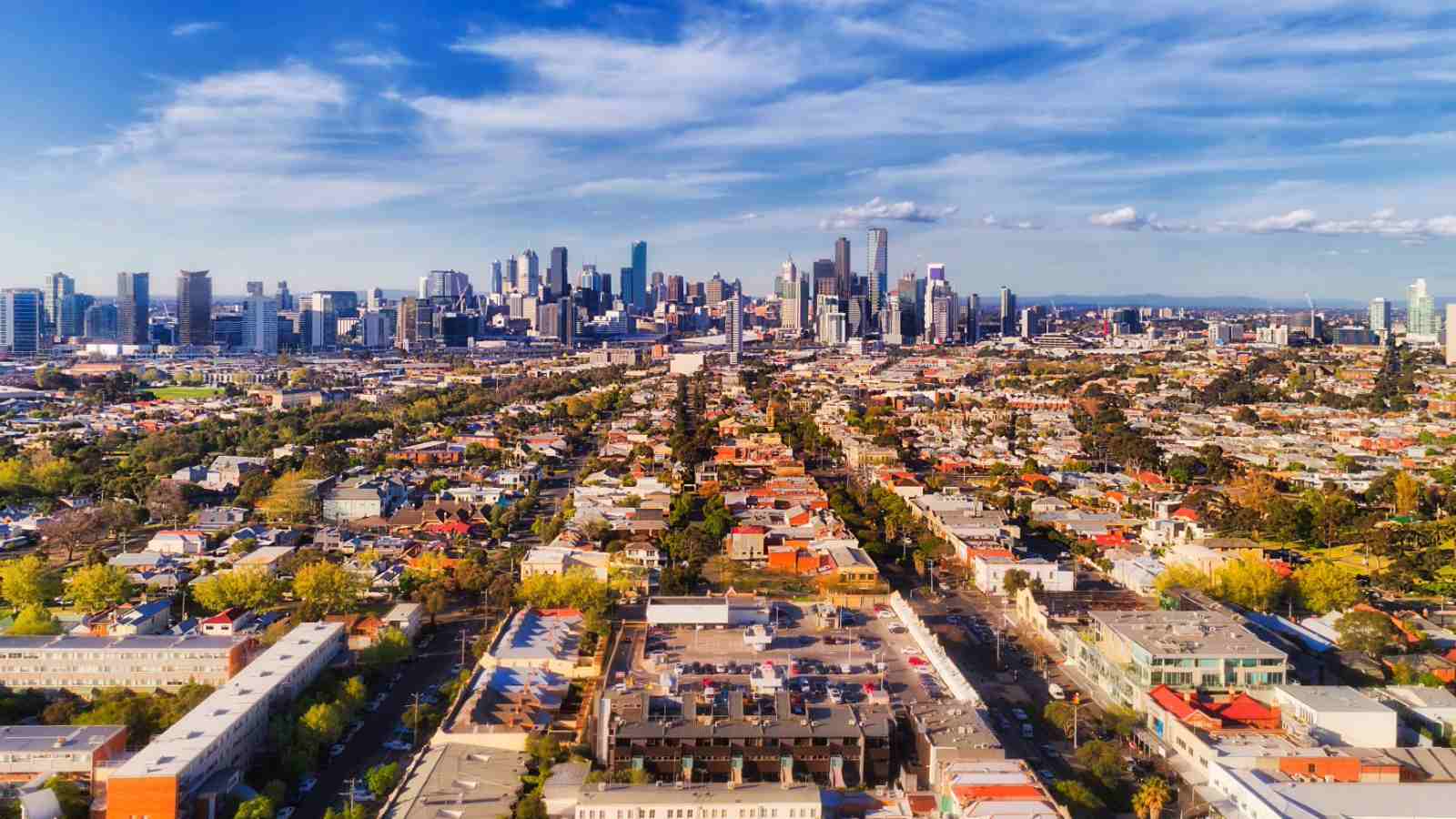
National dwelling prices fell by 0.4% in June, which is the largest monthly decline since December 2022. This follows a downwardly revised 0.3% fall in May (previously recorded as flat).
01 July 2026 | 2 mins

9 April 2026
Dwelling prices across Australia’s combined capital cities rose 9.3% over the past year, according to NAB Economics’ Monthly Housing Monitor for April 2026. Prices increased 0.6% in March, though momentum has slowed in recent months.
Mid‑size capitals continue to outperform, with dwelling prices rising around 30% on a three‑month annualised basis in Perth and about 20% in Brisbane. In contrast, Sydney and Melbourne recorded monthly declines, with prices falling 0.8% and 2.5% respectively on a three‑month annualised basis.
The rental market remains tight, with vacancy rates near record lows at 1.6%. Advertised rent growth remains strong but eased slightly in March, rising 5.9% on a six‑month annualised basis.
Housing supply pressures persist. Dwelling starts have picked up since late 2023, led by apartments, but continue to exceed completions. Around 235,000 dwellings remain under construction, around 35% above the pre‑pandemic average. Despite this, net additions to dwelling stock remain well below the 2015 peak and continue to lag population growth.
Construction costs have eased from their mid‑2022 highs, though input prices remain elevated. Building cost pressures are expected to face renewed upward pressure, while labour constraints continue to limit construction capacity.
This follows a period of strong population growth, tight rental conditions and ongoing supply bottlenecks that continue to shape housing market outcomes across Australia.
Click the link below for the latest report:
NAB Housing Monitor - April 2026 (PDF, 7MB)
The NAB Housing Monitor is a monthly publication from NAB Economics and Market Research, and provides a chart-based overview of key data relevant for residential property. It brings together a comprehensive set of indicators across the residential housing market including prices, population trends, lending activity, and construction dynamics.