Australian consumer spending rose 2.1 percent in March, driven by a sharp increase in fuel spending due to higher prices, according to NAB’s latest Consumer Spend Trend report.
Business confidence fell sharply in March as heightened global uncertainty weighed heavily on sentiment, while business conditions remained resilient, according to the latest NAB Monthly Business Survey.
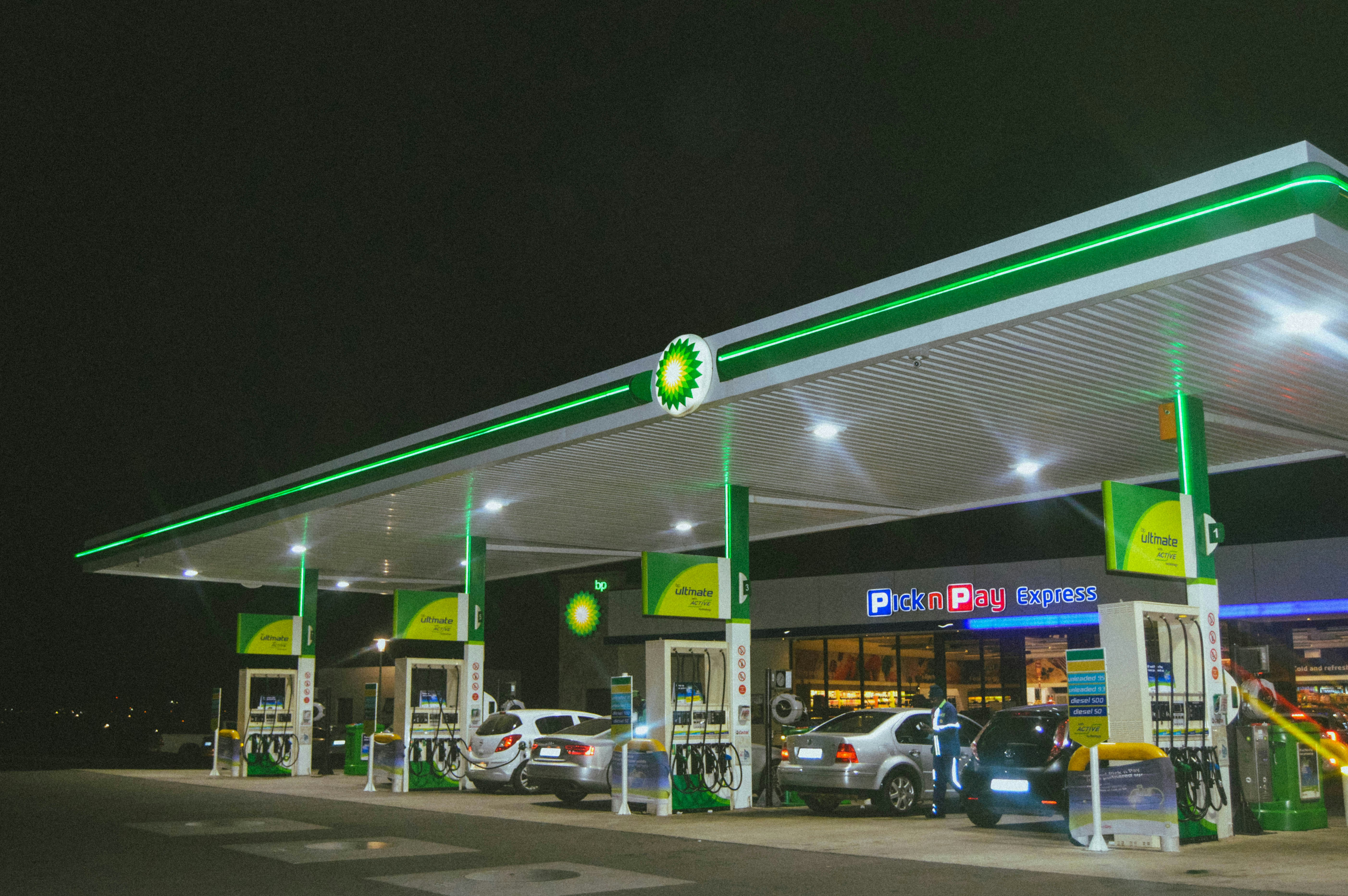
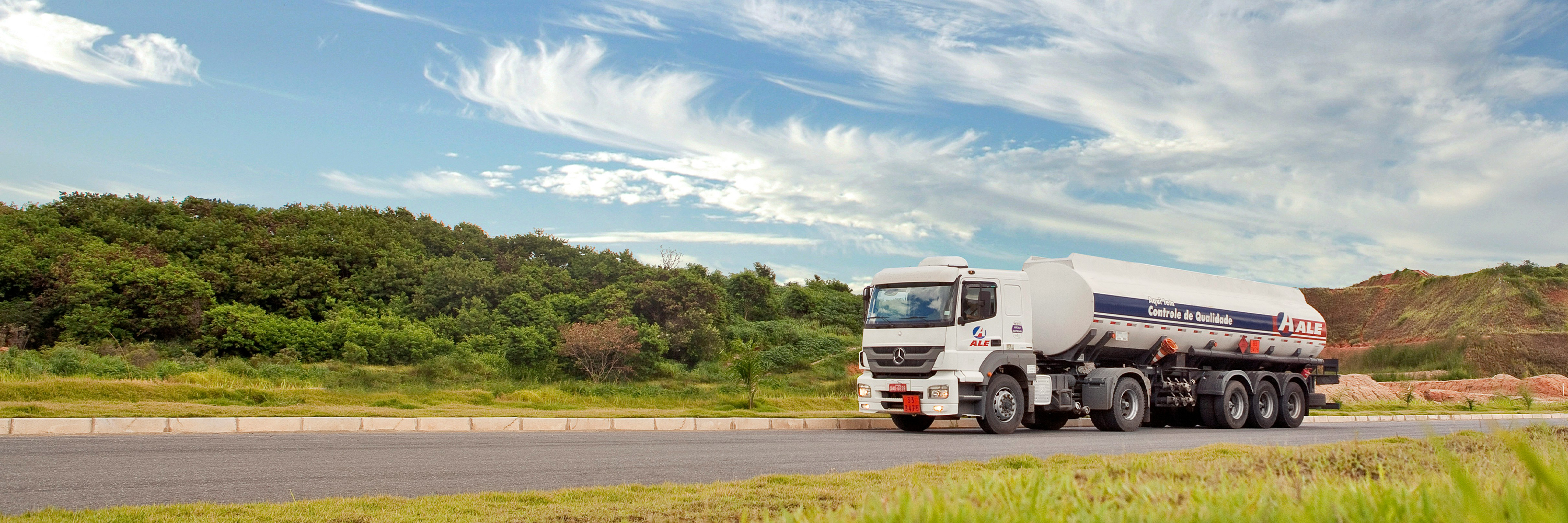
Rising fuel prices affect most Australians, either at the bowser or through higher costs being passed on by businesses. In this NAB News explainer, NAB Senior Economist Taylor Nugent explains where Australia’s petrol and diesel come from and why, despite being a major energy exporter, we can still be hit hard when global markets are disrupted.
Dwelling prices across the combined capitals have risen 9.3% over the past year. In March, prices rose 0.6% mom. Mid-size capitals continued to outperform, while Sydney and Melbourne have slowed, with prices declining in the month.
Listen to NAB Group Executive Business and Private Bank, Andrew Auerbach, talk about the impact of rising costs and supply disruptions of diesel, and what lies ahead for the economy if fuel supplies remain under pressure.
Fuel price shocks and supply uncertainty are impacting business cash flow across key sectors in regional Australia. While growth is expected to slow, not tip into recession, the disruption exposes deeper risks in energy security and supply chains.
NAB’s Taylor Nugent discusses shifting market sentiment amid geopolitical uncertainty, covering moves in U.S. equities and oil prices, resilient economic data, and signals from Japan and Australia that suggest ongoing global economic resilience.
Australian households are facing the highest cost of living pressure in more than a decade but are responding by actively switching providers and trading down, rather than sharply cutting spending, according to the latest NAB Consumer Sentiment Survey.
NAB's Q1 Business Survey shows business confidence has weakened, while business conditions have broadly held up, suggesting activity has retained some momentum despite a more cautious outlook.
NAB Economics & Markets Research has today published a new cross-asset note, A More Treacherous Phase, outlining its key views and forecasts as the Middle East conflict moves into its fourth week.
Australian consumers continued to spend steadily in February, with total spending rising for a second consecutive month, according to NAB’s latest Consumer Spend Trend report.
Rising global energy prices could make it harder for central banks to bring inflation under control and increase the risk that interest rates stay higher for longer, according to NAB Chief Economist Dr Sally Auld.
Business confidence unwound gains over the past two months, falling 4pts (unrounded) in February. Business confidence is now in negative territory for the first time in almost a year, likely reflecting some caution in the wake of the February rate hike.
Business conditions were flat in the month as a 1pt rise in trading conditions was offset by a 2pt fall in employment.
Dwelling prices across the combined capitals have risen 9.6% over the past year. In February, prices rose 0.6% mom, driven by the mid-size capitals with Sydney and Melbourne seeing flat outcomes.
Sentiment in the housing market improved again in the December quarter of 2025 with the NAB Residential Property Index at +65 from +62 in September, continuing at a four year high.